Epoxy resin allergy
Many people pour epoxy for years without trouble, and then one day their hands, wrists or face break out. Uncured epoxy resin and hardener are known skin sensitizers. Once you’re sensitized, even small exposures can trigger a reaction.
- In one clinic series of 209 occupational epoxy allergy cases, 82% reacted to the standard bisphenol A epoxy resin test substance.
- Hands and arms were affected in 69% of cases, but the face was involved in 60%.
- Amine hardeners like m-xylylenediamine, tris-DMP and isophoronediamine are also common sensitizers.
- Epoxy compounds can cause occupational asthma in some exposed workers.
What the studies show
In Aalto-Korte et al., Contact Dermatitis 2015 (PMID 26230376), researchers found 209 cases of occupational contact allergy to epoxy chemicals, with painters, floor layers, electrical workers, tile setters and aircraft workers the largest groups. “A total of 82% of the patients reacted to DGEBA-R,” the standard bisphenol A diglycidyl ether resin. The hands and upper arms were most commonly affected (69%), “but facial symptoms were also frequent (60%).” Some patients could only be diagnosed by testing the actual workplace products.
Hardeners matter too. In Aalto-Korte et al., Contact Dermatitis 2014 (PMID 24990536), the most common positive hardeners were m-xylylenediamine, 2,4,6-tris-(dimethylaminomethyl)phenol (tris-DMP), isophorone-diamine and diethylenetriamine. The authors called tris-DMP “an important sensitizer in epoxy hardeners.”
Lungs, not just skin
In Suojalehto et al., J Allergy Clin Immunol Pract 2019 (PMID 30075342), 15 of 113 patients with work-related asthma symptoms (13%) had specific inhalation challenge tests confirming occupational asthma from epoxy resin systems. The authors noted that respiratory exposure is hard to show with air measurements. A 2026 review in Lisiecka et al., Drug Chem Toxicol 2026 (PMID 40958645) identifies epichlorohydrin, bisphenol A and amine hardeners as the most hazardous components, with exposure through inhalation of volatile compounds and skin contact.
Working cleanly
- Wear nitrile gloves and long sleeves, and change gloves when they’re contaminated.
- Never wipe your face with gloved or resin-covered hands.
- Ventilate, and sand only fully cured epoxy, with dust collection and a respirator.
- Clean skin with soap and water, not solvents.
- If you develop a rash, see a dermatologist about patch testing, and bring the product labels and SDS.
Related: PPE for finishing and resin work, respiratory protection basics and reading safety data sheets. Not medical advice.
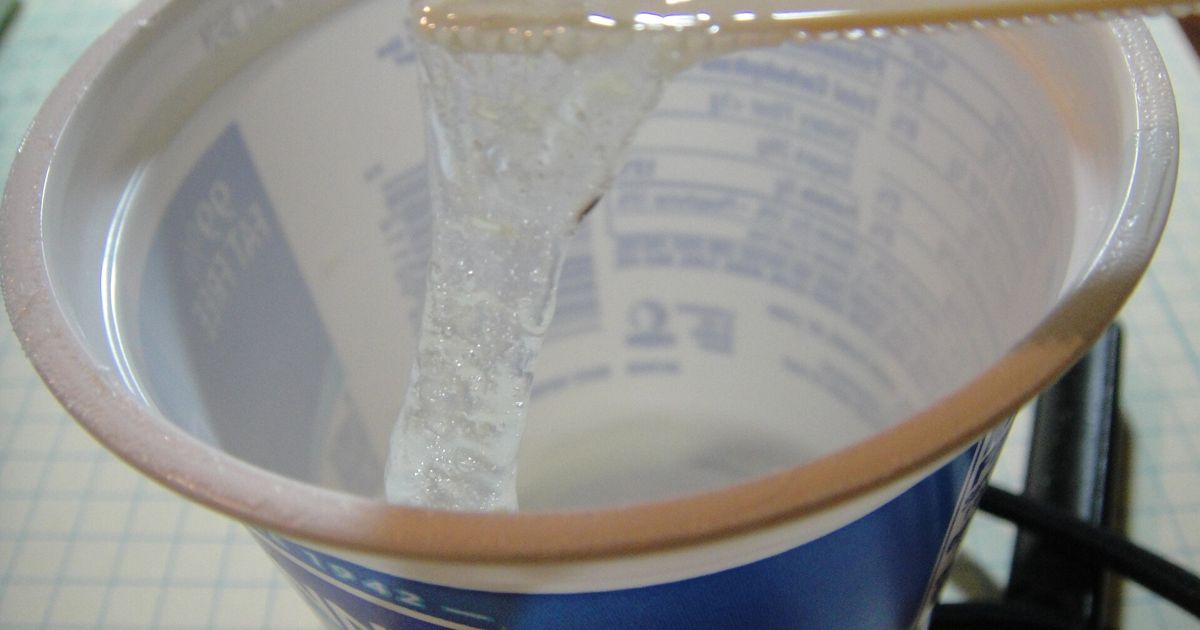
Header image: Photo: “Mix of Epoxy Resin and Hardener” by Dzhang2680, CC BY-SA 3.0 (cropped).