Exotic wood allergies
Figured tropical woods look amazing in an epoxy river table. Some also contain compounds that can irritate the skin or cause true allergic reactions, mostly for the people who cut and sand them.
- Exotic woods more commonly cause irritant reactions, but they can also cause allergic contact dermatitis.
- Patch testing with the patient’s own wood samples helped diagnose three Mayo Clinic patients; symptoms cleared or improved with avoidance.
- Dalbergia woods (rosewoods, including cocobolo) show extensive cross-reactivity.
- Instrument makers exposed to dust showed airborne-pattern symptoms, while musicians reacted only where the wood touched them.
What the case reports show
A Mayo Clinic report in Podjasek et al., Dermatitis 2011 (PMID 21504691) notes that exotic woods from South America, south Asia and Africa “more commonly provoke irritant contact dermatitis reactions, but they also can provoke allergic contact dermatitis reactions.” Three patients were patch tested with their own wood samples, and “for all patients, the dermatitis cleared or improved after avoidance of the identified allergens.”
A 2024 series in Gamboa et al., Contact Dermatitis 2024 (PMID 39118172) looked at Dalbergia woods in musical instruments. The patients “showed extensive cross-reactivity between the different Dalbergia woods.” Musicians had symptoms only in contact areas, while instrument makers showed “a pattern of airborne symptoms,” suggesting dust is a major route for people who work the wood.
What it means for river tables
- The highest exposure is during cutting and sanding, from fine dust on the skin and in the air.
- Use dust collection, a respirator, long sleeves and gloves when milling exotic slabs.
- If one rosewood bothers you, be cautious with other Dalbergia species because of cross-reactivity.
- A rash that keeps coming back after shop work is worth patch testing. Bring a sample of the wood.
Related: wood dust safety when sanding slabs and bubinga vs cocobolo vs rosewood. Not medical advice.
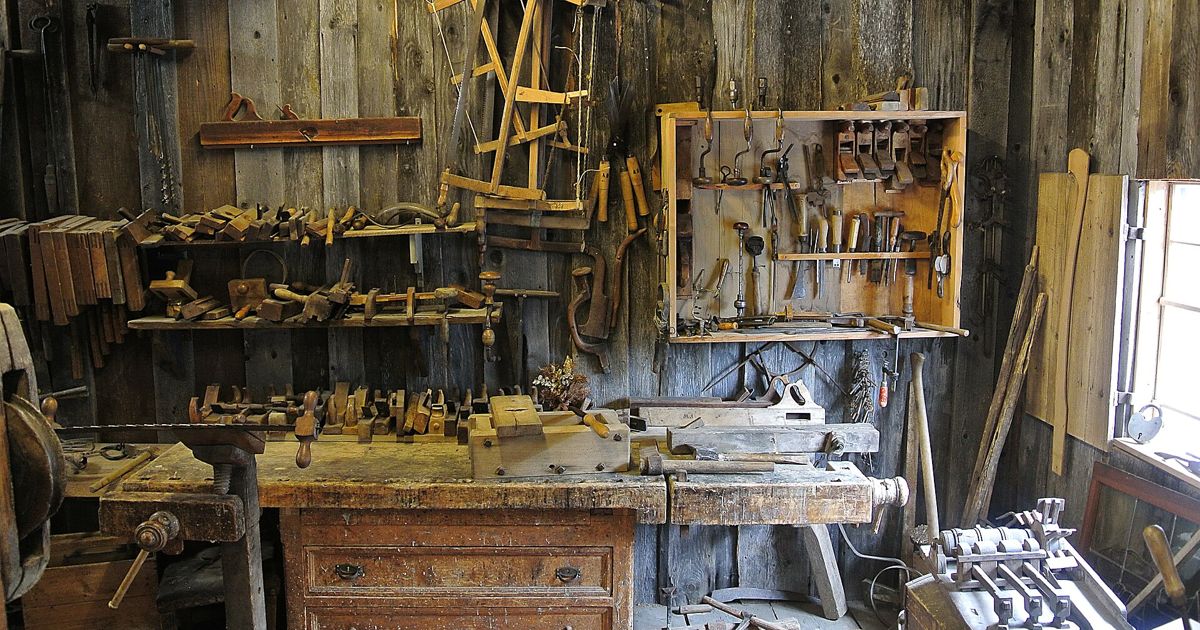
Header image: Photo: “Woodworking workshop (Unsplash)” by s w wengenroad, CC0 (cropped).